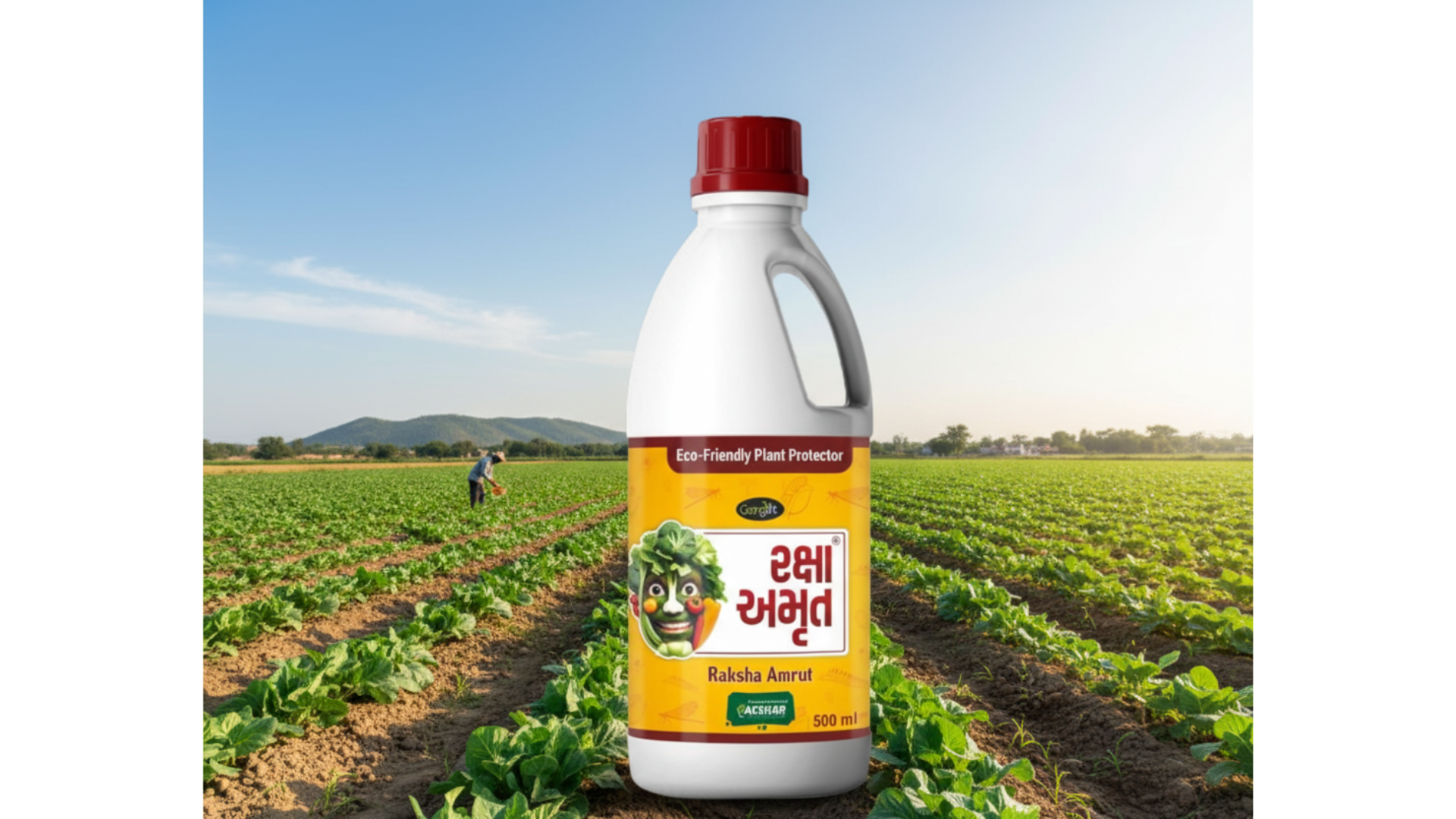
Keeping plants safe from diseases sometimes feels like a full-time job. Many farmers try different sprays, and some of them work but leave behind things they do not want in the soil. This is where an organic fungicide starts making sense. It helps control fungal attacks without loading the soil with harsh chemicals. And honestly, more farmers today want cleaner methods that do not disturb the natural balance of their fields.
What Exactly Is an Organic Fungicide?
An organic fungicide is basically a product made from natural sources that helps protect plants from fungal infections. It is not made from the usual chemical compounds that many traditional fungicides rely on. Instead, it uses minerals, plant extracts, beneficial microbes, or natural oils to slow down the growth of fungus or stop it from spreading.
Why Farmers Prefer Organic Over Chemical
There are many reasons why someone may pick an organic fungicide now. A few of the common ones are:
- It is safer for the soil in the long run
- The residue on fruits or vegetables is minimal
- It keeps the natural microbes in the soil active
- Farmers feel more confident using it around livestock or children
- It aligns with sustainable farming practices
How Organic Fungicides Actually Work
To be honest, not every farmer understands the science behind how an organic fungicide works. But the idea is not too complicated. Fungal diseases usually spread through spores, and they grow fast when humidity, temperature, or soil conditions go in their favor. An organic fungicide blocks this in a few ways.
1. Preventing Spore Germination
One of the most common actions of an organic fungicide is stopping the spores before they wake up. Many natural minerals create a layer on leaves that makes it tough for spores to survive.
2. Strengthening Plant Immunity
Some organic formulas help the plant boost its own defense. When the plant is stronger inside, diseases struggle to grow.
3. Creating an Unfriendly Environment for Fungus
Ingredients like neem oil or microbial solutions change the environment around the leaves or roots. The fungus cannot attach or spread as easily.
4. Breaking Down Existing Fungal Growth
Certain organic ingredients slowly break down the outer layer of fungal cells. This is not as fast as chemical sprays, but it is safe and steady.
Common Types of Organic Fungicides Farmers Use
Farmers have been experimenting with natural solutions for years. Some of the well-known sources used in an organic fungicide include:
Plant-Based Solutions
- Neem oil
- Garlic extract
- Tea tree oil
Microbial Fungicides
- Beneficial bacteria
- Friendly fungi (like Trichoderma)
Mineral-Based Options
- Copper in low, safe amounts
- Sulfur dust
These options work differently, so many farmers try a few before deciding which fits their crop pattern.
When Should You Use an Organic Fungicide?
Fungal diseases usually show up during humid or rainy seasons, or when plants stay wet for too long. Some common signs that tell you an organic fungicide is needed include:
- Spots on leaves
- Yellow or brown patches
- Powdery layer on stems or leaves
- Sudden wilting
- Rotting roots
It is better to use the fungicide before the disease spreads everywhere. Once it spreads, you may need repeated application.
Simple Steps to Use Organic Fungicides in the Right Way
Using an organic fungicide is simple, but a few small steps help it work better.
1. Mix Properly
Follow the basic mixing instructions because too little does not work and too much may harm tender leaves.
2. Spray During Cooler Hours
Mornings or evenings allow the fungicide to settle properly without drying too fast.
3. Cover the Leaves Well
Fungus often hides under leaves, so flip them gently and spray the underside too.
4. Repeat on Time
Organic sprays break down faster than chemicals, so consistent timing helps maintain protection.
Understanding Organic Fungicides in Practical Farming
Most farm problems come from unpredictable weather, and fungal diseases are one of them. So knowing when and how to use an organic fungicide can save a farmer from losing crops unexpectedly.
Big Advantages Farmers Notice Over Time
Here are a few benefits that farmers usually mention while shifting to natural fungicides:
- Soil fertility improves instead of declining
- Fruits and vegetables feel cleaner
- Less harm to pollinators like bees
- Better long-term plant health
- Fields become safer for workers
How Organic Fungicides Fit Into the Bigger Picture of Natural Farming
When we look at sustainable farming, an organic fungicide is not just a spray but part of a bigger circle. Many farmers who use natural methods also try to pick organic agriculture products for fertilizers or soil boosters because all these inputs work together. Fungal problems often decrease when the soil gets healthier, and these natural practices build that soil strength.
Organic fungicides support this circle by helping plants fight diseases without disturbing the living organisms inside the soil. Some farmers say the plants respond better when everything, from fertilizer to protection spray, comes from similar natural sources. And it actually makes sense because plants grow more naturally in such conditions.
Another benefit is that these natural approaches slowly reduce the dependency on repeated heavy sprays. A chemical-based approach sometimes becomes a cycle—where more diseases appear after a few seasons. But with organic methods, including the right mix of organic agriculture products, farmers see better balance and less unexpected crop stress.
Why Organic Fungicides Are Becoming More Popular Now
The rising interest in organic food has pushed farmers to think differently. People want cleaner food, fewer chemical residues, and crops that grow in healthier soil. This increases the demand for farming practices that align with these values.
That is why the use of an organic fungicide has picked up more than ever. It is not only about being natural—it is about keeping farms healthy for the next generation too. Farmers also share that when they switch to natural fungicides, they notice the soil loosening up, earthworms returning, and plants holding moisture better. These are small signs but meaningful.
And in the last part of the farming cycle, many farmers today even choose storage solutions, sprays, or seed treatments that fall under organic agriculture products so that the entire process stays aligned with natural farming.
The shift looks slow sometimes, but it is steady, and more farmers feel confident that natural methods actually work in the long run. Using an organic fungicide may look like a small step, but it supports cleaner soil, safer crops, and a healthier farming routine for many seasons to come.
FAQ Section
1. Does an organic fungicide work as fast as chemical sprays?
It usually works slower, but it is safer for soil and plants. With regular use, it keeps diseases under control effectively.
2. Can I mix organic fungicides with other natural products?
In most cases, yes, but it is better to avoid mixing too many things together unless the product label says it is safe.
3. Is an organic fungicide safe for vegetables and fruits?
Yes, it leaves minimal residue and is safe for crops that are eaten fresh.
4. How often should I apply it?
Most products work best when applied every 7 to 10 days, depending on weather and crop condition.
5. Does organic fungicide harm bees?
Most natural fungicides are safe for bees, especially when applied during non-peak buzzing hours.
