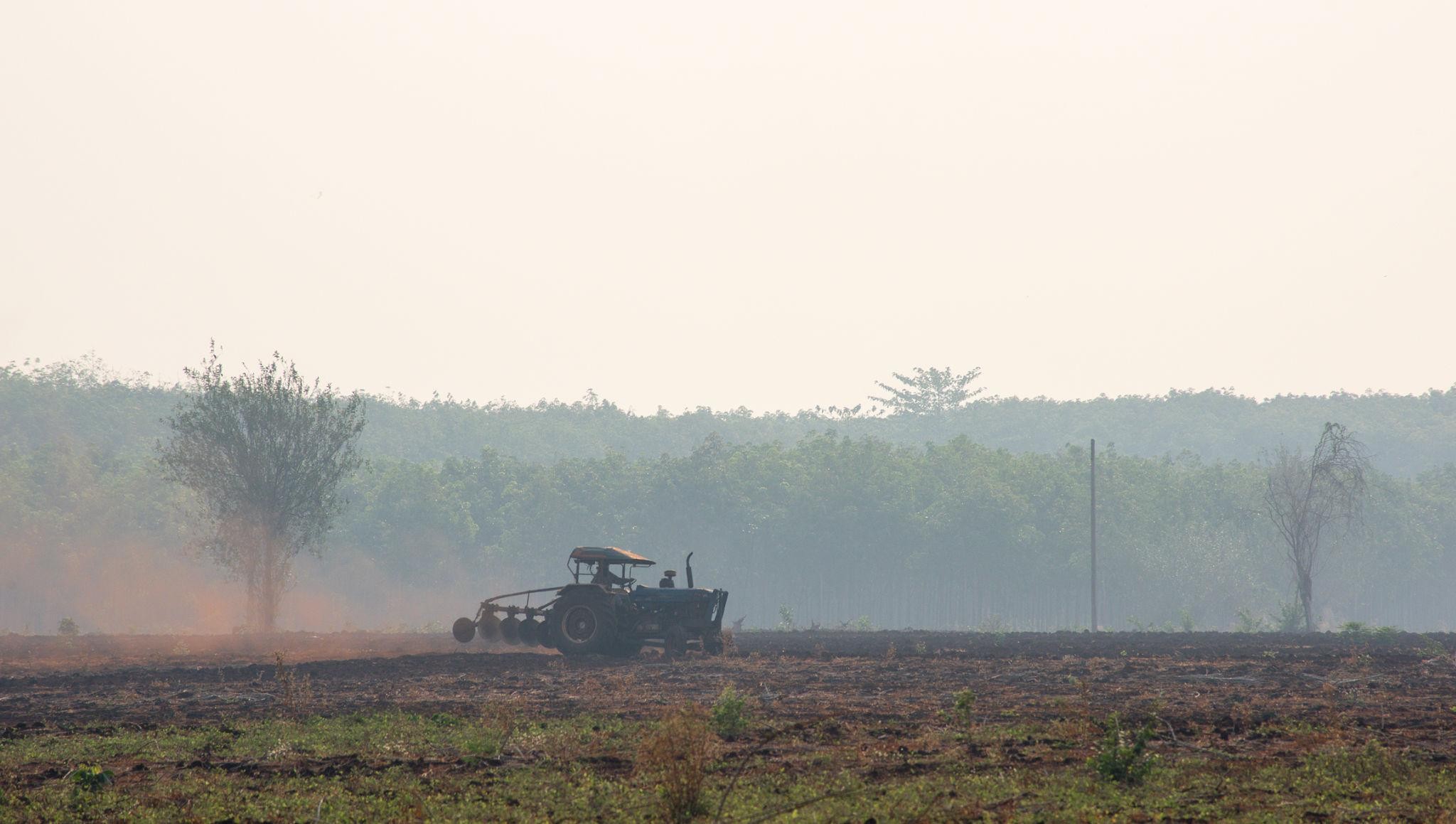
If you want high yield in summer crops, proper soil preparation is the most important step. When the foundation is strong, plant growth, flowering, and production automatically improve.
In this guide, you will learn:
- How to prepare land for summer crops
- Important factors to consider
- How to improve soil health organically
🌱1️⃣ Soil Testing (Your Soil First)
Before starting, check:
- Soil pH level (Ideal: 6.5–7.5)
- Organic carbon level
- NPK and micronutrient status
👉 Applying fertilizers without soil testing can lead to nutrient imbalance and reduced yield.
🚜2️⃣ Deep Ploughing
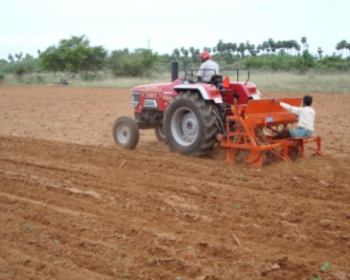
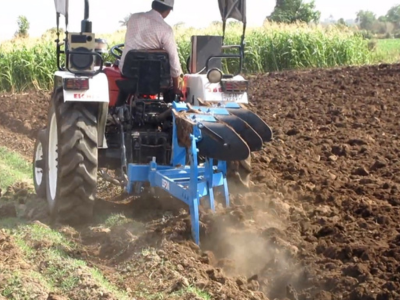
- Plough soil 8–10 inches deep
- Remove previous crop residues
- Improve aeration and root penetration
💡 Summer ploughing helps destroy pest eggs and harmful pathogens due to strong sunlight exposure.
🌿3️⃣ Add Well-Decomposed Organic Manure
- 2–4 tons of well-rotted farmyard manure per acre
- Compost or vermicompost
- Organic carbon boosters (humic/fulvic-based inputs)
Benefits:
✔ Improves soil structure
✔ Increases water holding capacity
✔ Enhances root development
✔ Boosts microbial activit
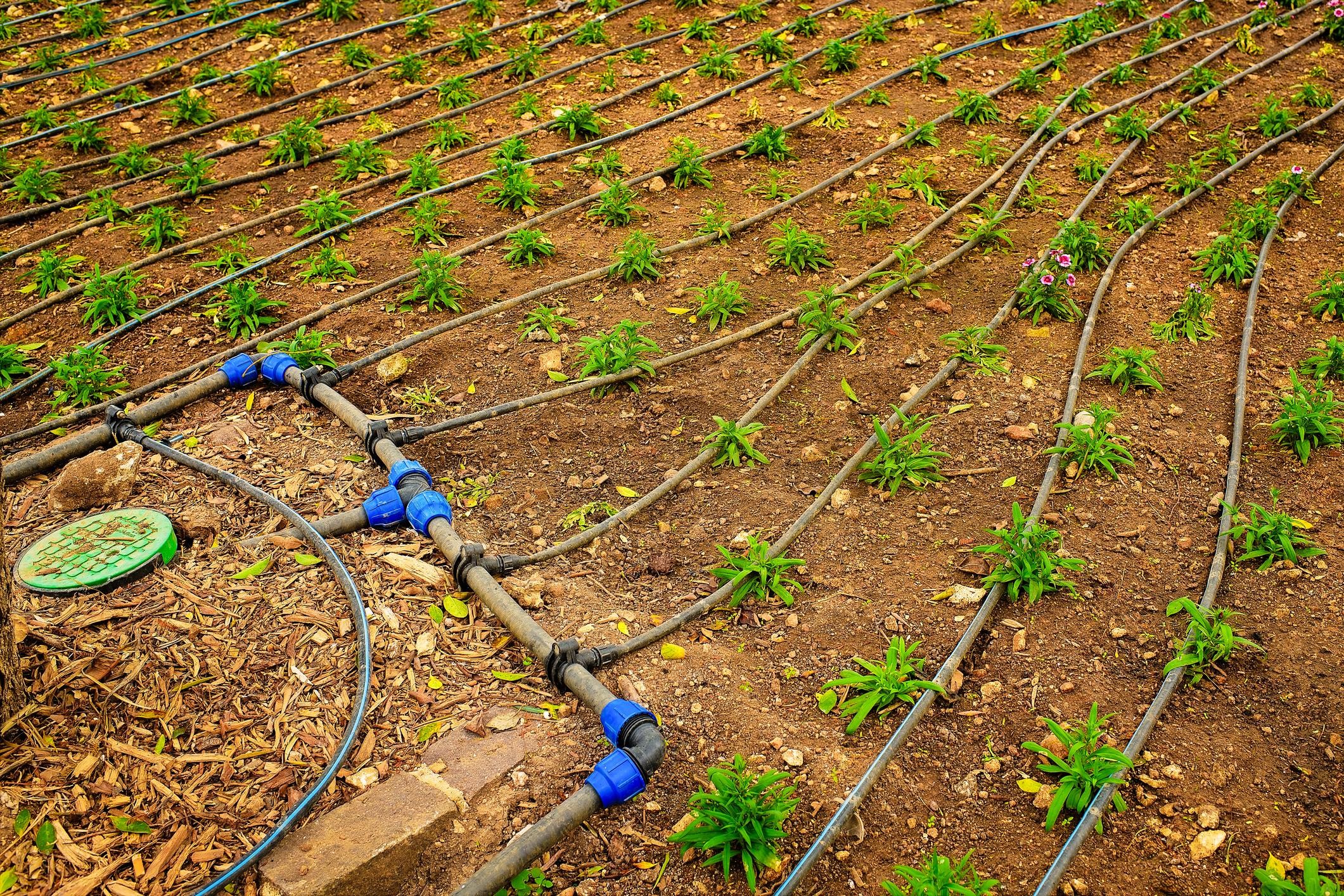
💧4️⃣ Check Irrigation System
In summer:
- Drip irrigation is highly recommended
- Avoid waterlogging
- Laser land leveling helps save water
Proper water management directly impacts summer crop yield.
🌾5️⃣ Prepare Raised Beds (Recommended for Many Crops)
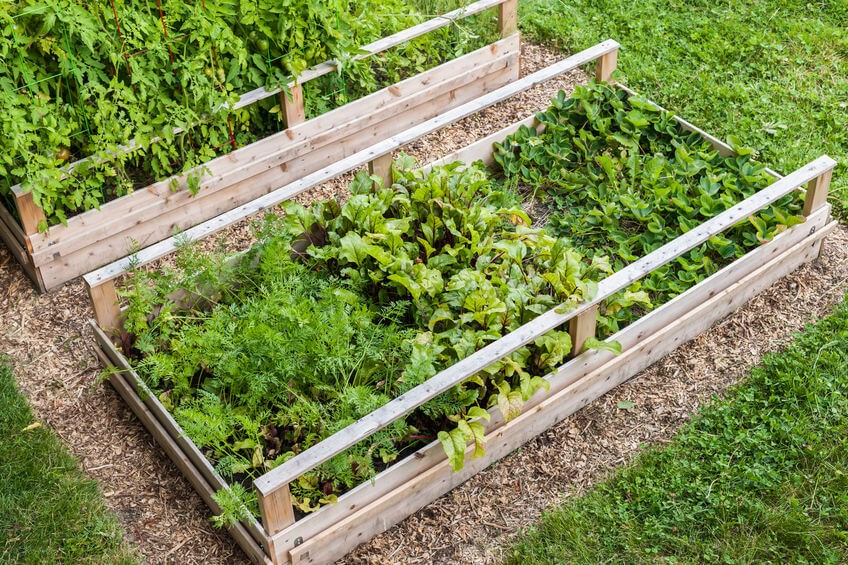
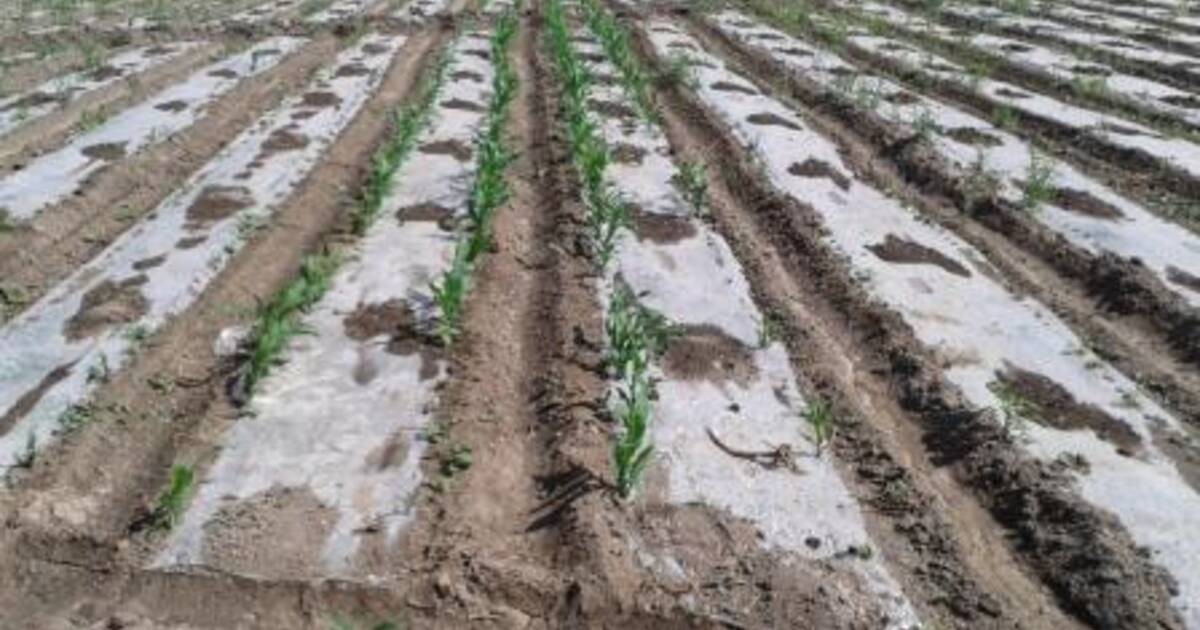
Especially useful for:
- Vegetables
- Groundnut
- Sesame
Advantages:
✔ Prevents water stagnation
✔ Promotes stronger root growth
✔ Can increase yield by 15–20%
🌡6️⃣ Soil Solarization (Optional but Effective)
- Cover moist soil with transparent plastic for 3–4 weeks
- Sunlight increases soil temperature
- Reduces fungal infections and soil-borne pests
This is very helpful before planting high-value summer crops.
✅ Do’s and Don’ts
✔ Do’s
- Conduct soil testing
- Improve organic carbon
- Ensure proper drainage
- Practice deep ploughing
❌ Don’ts
- Avoid using raw manure
- Do not allow waterlogging
- Do not depend only on chemical fertilizers
❓ Frequently Asked Questions (FAQ)
Q1: What type of soil is best for summer crops?
→ Well-drained loamy or medium black soil works best.
Q2: What if soil pH is high?
→ Increase organic matter and apply humic-based soil conditioners.
Q3: Is drip irrigation necessary?
→ It is highly beneficial for water saving and better crop growth in summer.
📌 Conclusion
Success in summer crops depends on:
